Azenta Design System — UX Research Lead
Leading research and establishing processes for an enterprise life sciences design system. Conducted audits, cognitive walkthroughs, and accessibility testing to inform component decisions across two platforms.
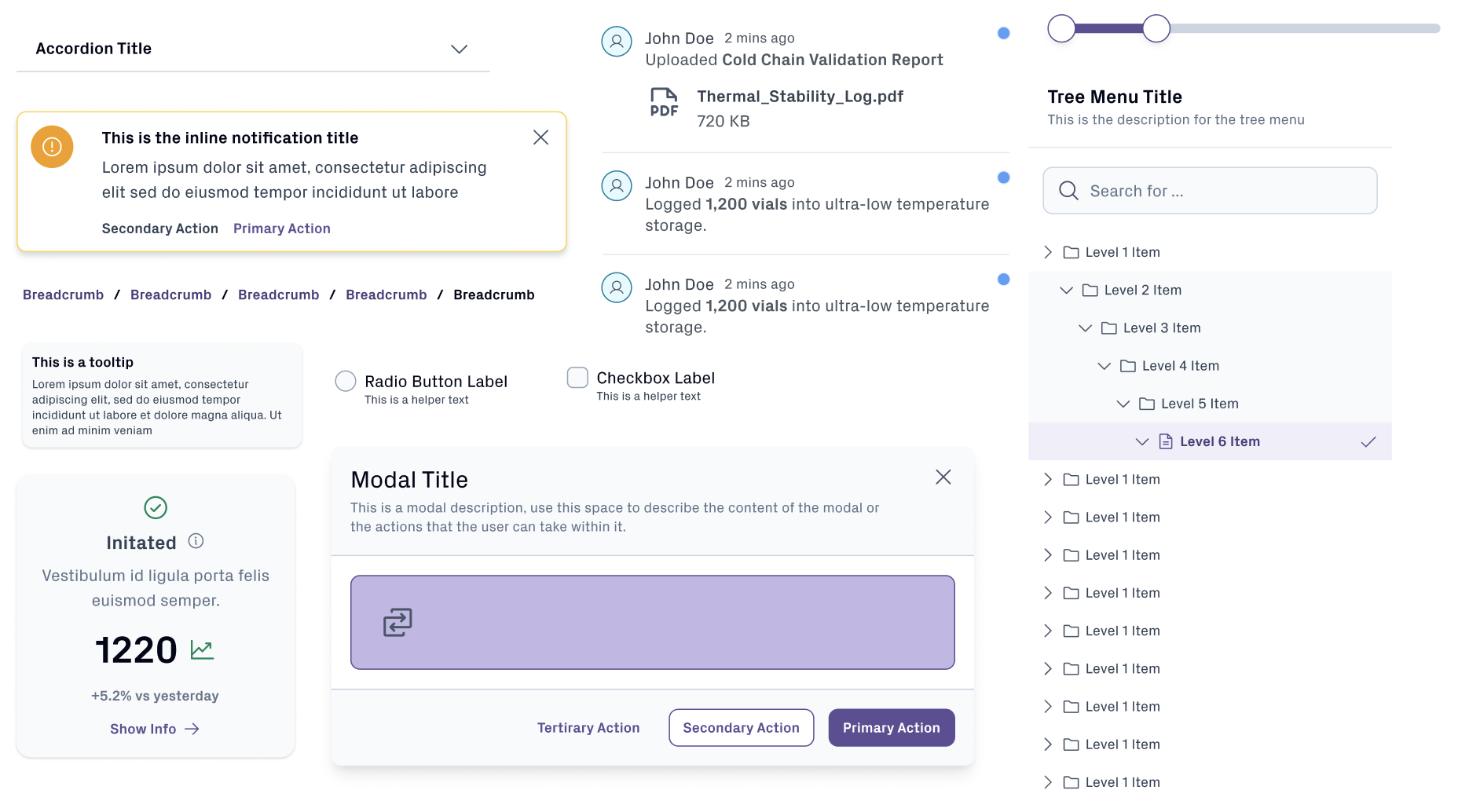
At a glance
- Role: User Research Lead — stepped into a stalled design system and owned discovery through documentation.
- Impact: Delivered research-backed foundations, accessibility standards, and Zeroheight docs for enterprise life sciences (LIMS) products.
- Scope: Heuristic audits, cognitive walkthroughs, WCAG testing, and process design across design–dev handoff in a 4-month sprint.
Client work is presented at the component and process level; proprietary lab workflows are discussed in interviews where appropriate.
Context
Joined as User Research Lead after previous researcher transitioned off. Team: myself, visual designer, project manager. Goal: build unified design system for enterprise life sciences platforms serving lab technicians and researchers.
My Contributions
| Area | Ownership |
|---|---|
| Research strategy & execution Lead | Audits, walkthroughs, accessibility testing, usability sessions |
| Process & documentation Lead | Workflows, Zeroheight docs, stakeholder feedback loops |
| Product mapping Lead | Diagrams, journeys, workflow categories, personas |
| Developer collaboration Lead | AI-assisted prototyping, component validation |
| Component design Contributor | Pattern refinements, page templates |
| Visual design & tokens Contributor | Feedback on brand identity and design tokens |
First Step — Building Context
Created internal maps to quickly understand the product domain: system diagrams, user journeys, workflow categories, and personas. Validated with the team to align on scope and priorities.
Structured research program from audit to synthesis, establishing processes and delivering a production-ready design system.
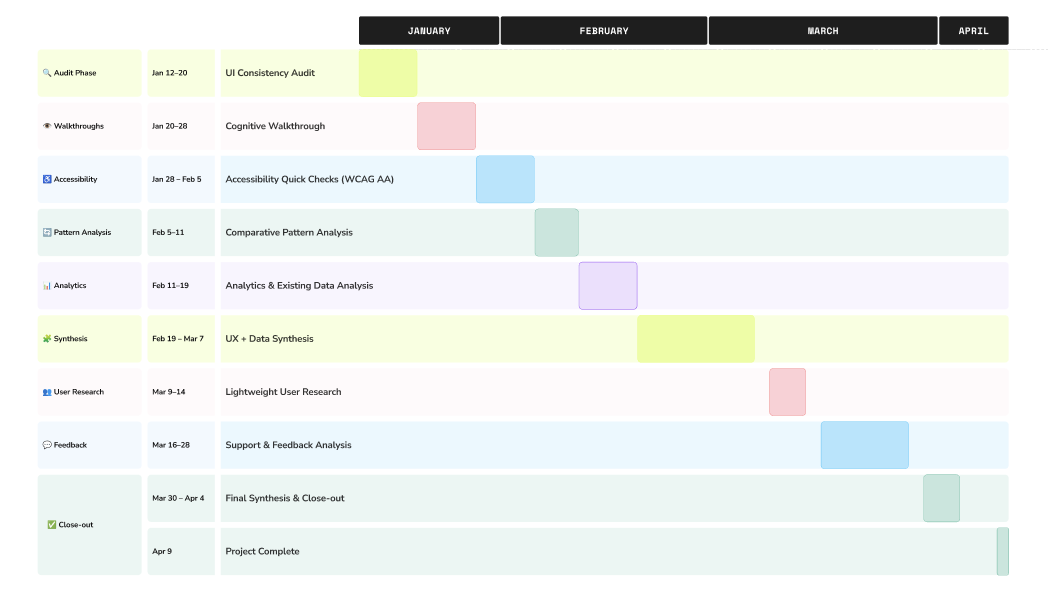
Research Activities
Conducted targeted discovery to identify design system requirements:
Accessibility Audit
Cross-product evaluation using WCAG 2.2 standards (Levels A & AA)
| App | Status | Issues |
|---|---|---|
| LIMS | ✗ Not WCAG 2.2 AA compliant | Structure, keyboard, forms |
| Sample Management | ✗ Not WCAG 2.2 AA compliant | Keyboard, navigation, contrast |
Cognitive Walkthrough
Task-level evaluation reveals consistent failure patterns in high-risk workflows
* Based on 15 high-impact scenarios across both platforms
Process & Documentation
Established team workflows to connect research to implementation:
- Research-to-design handoff protocols
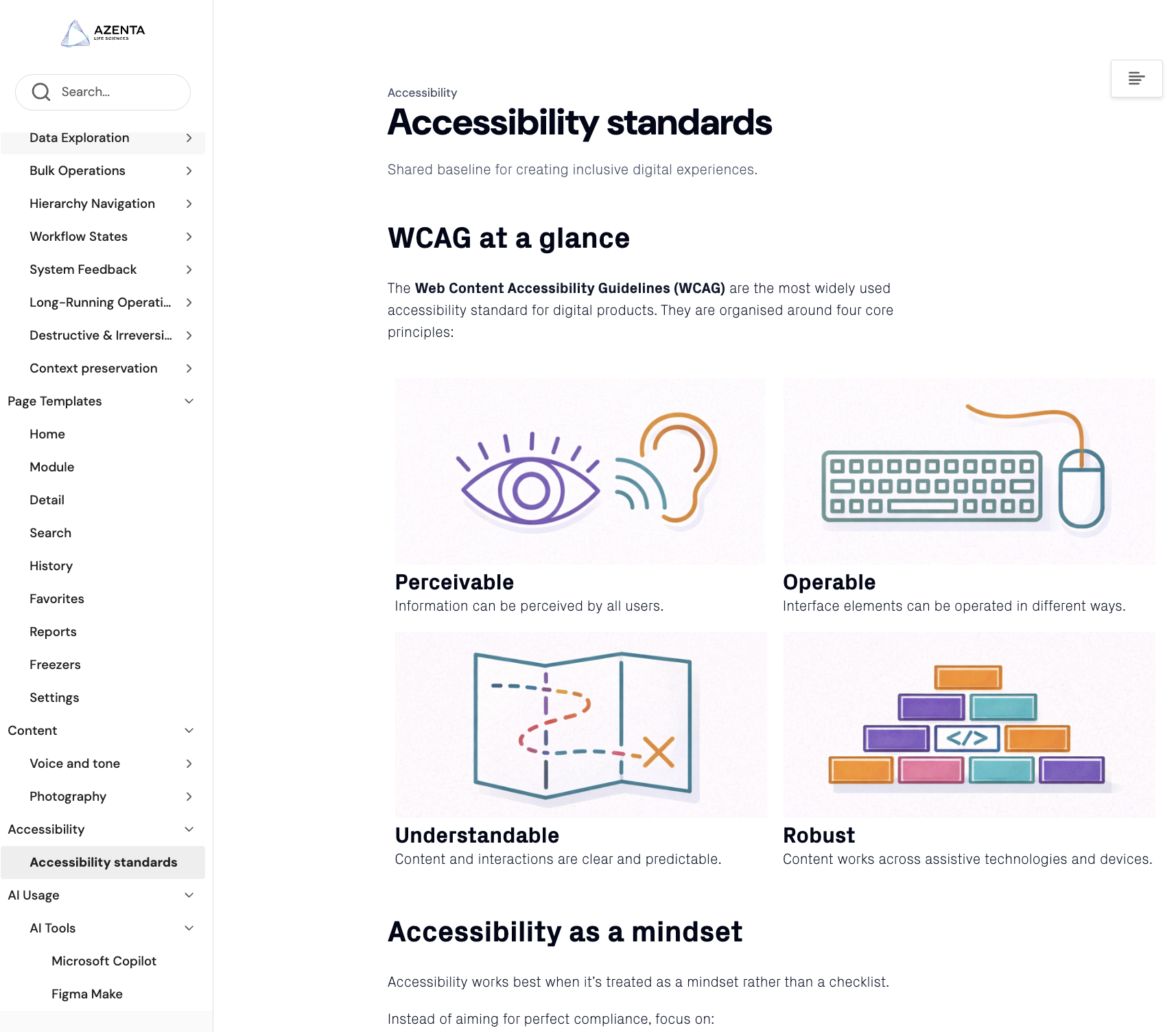
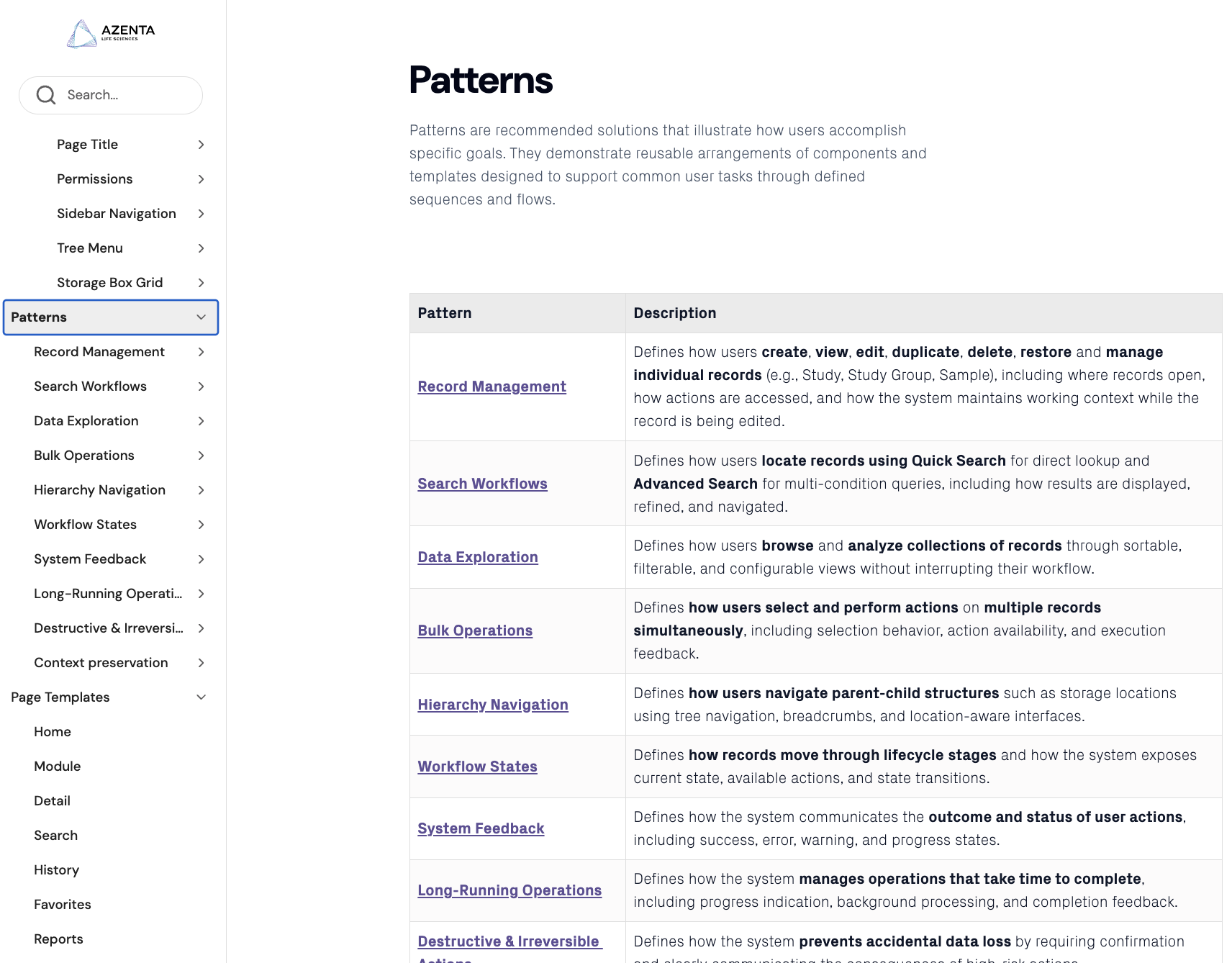
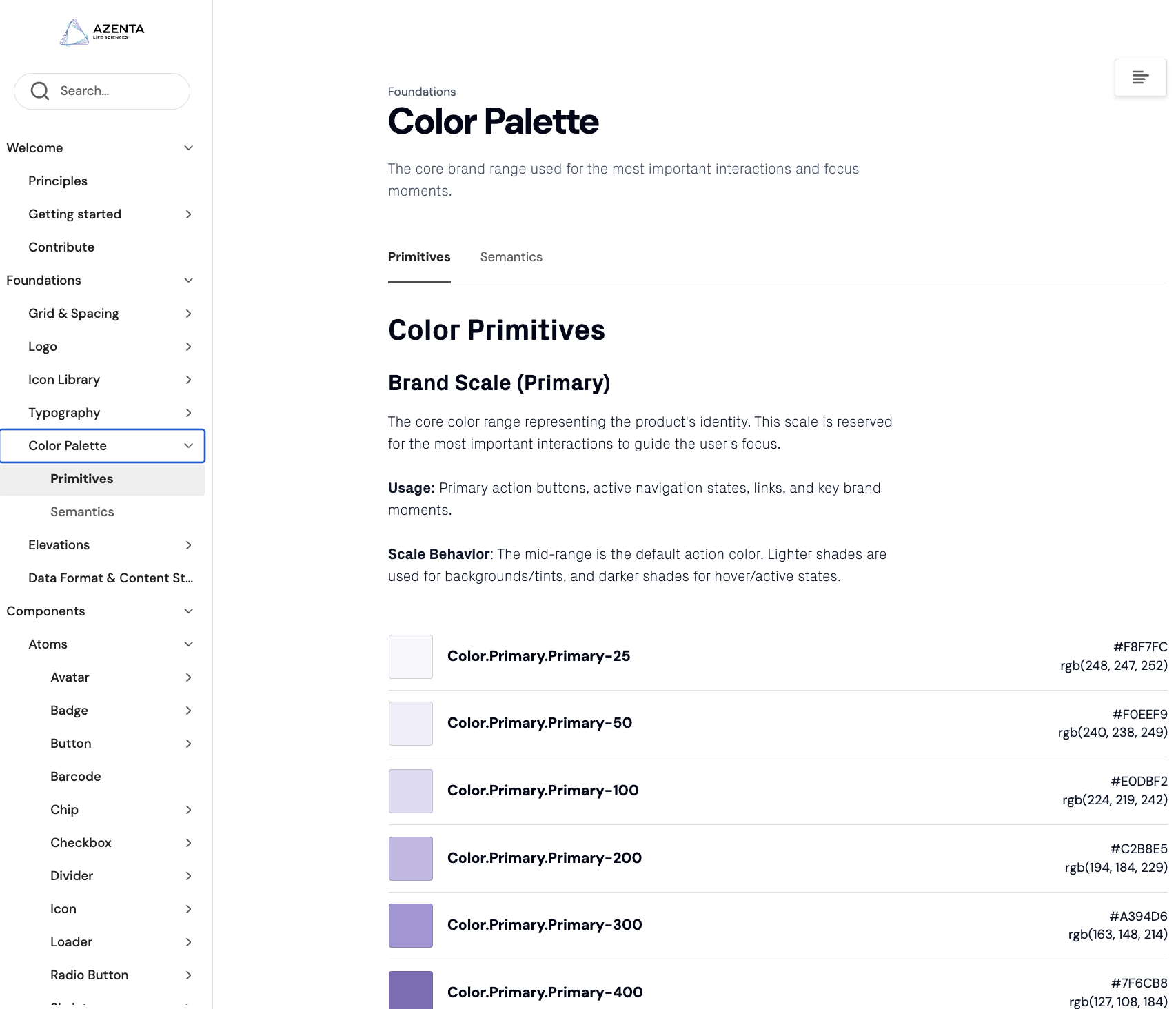
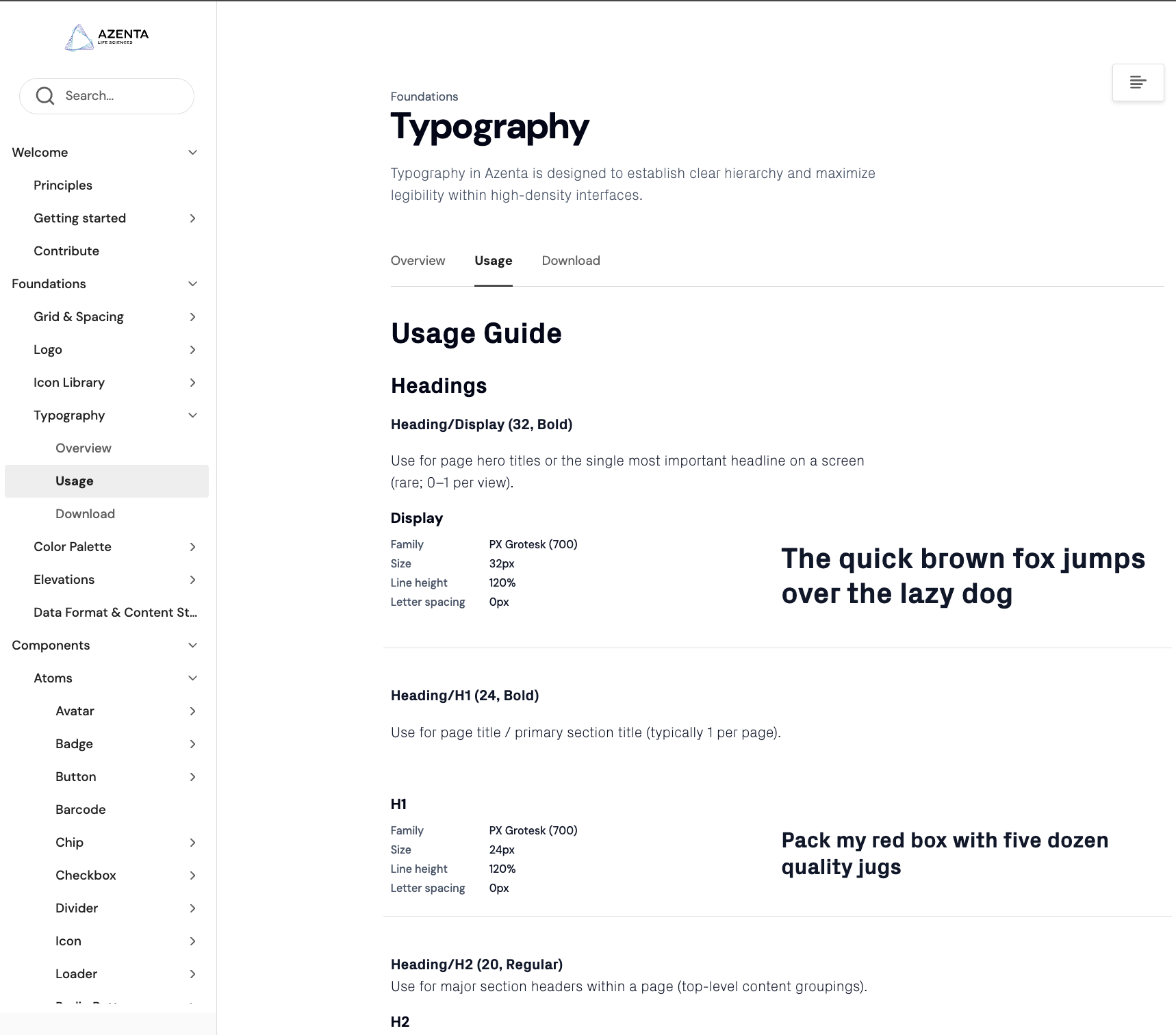
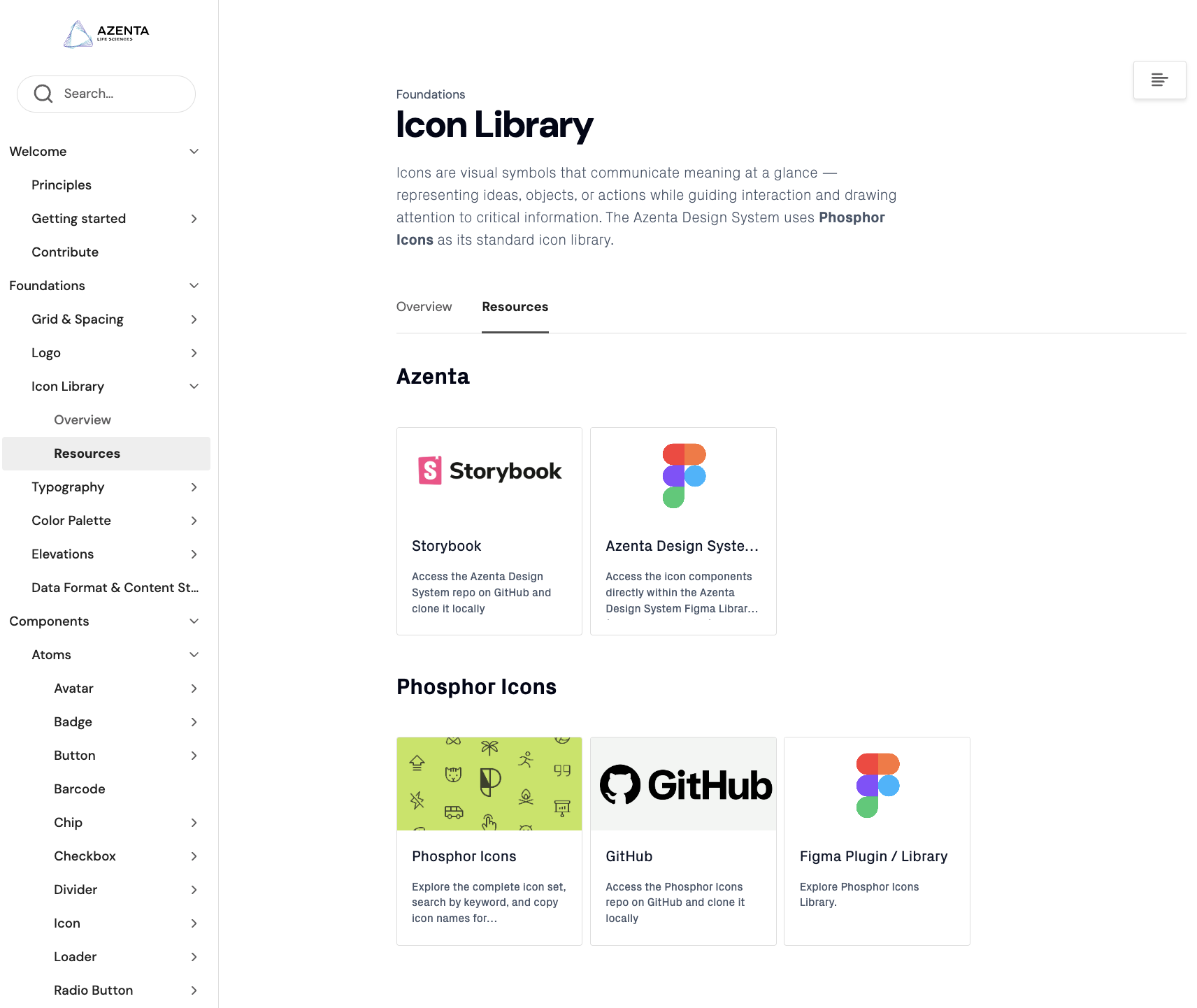
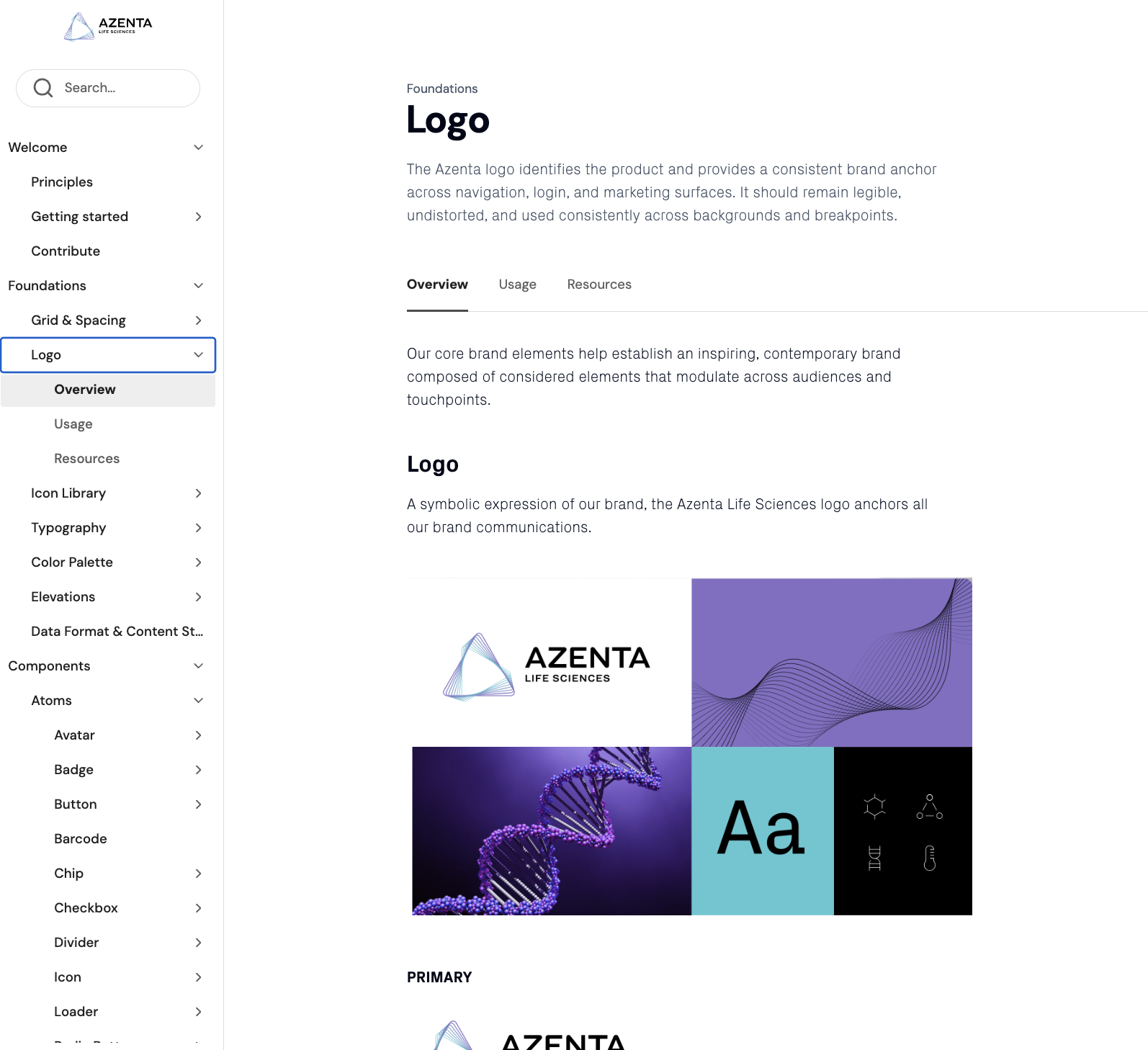
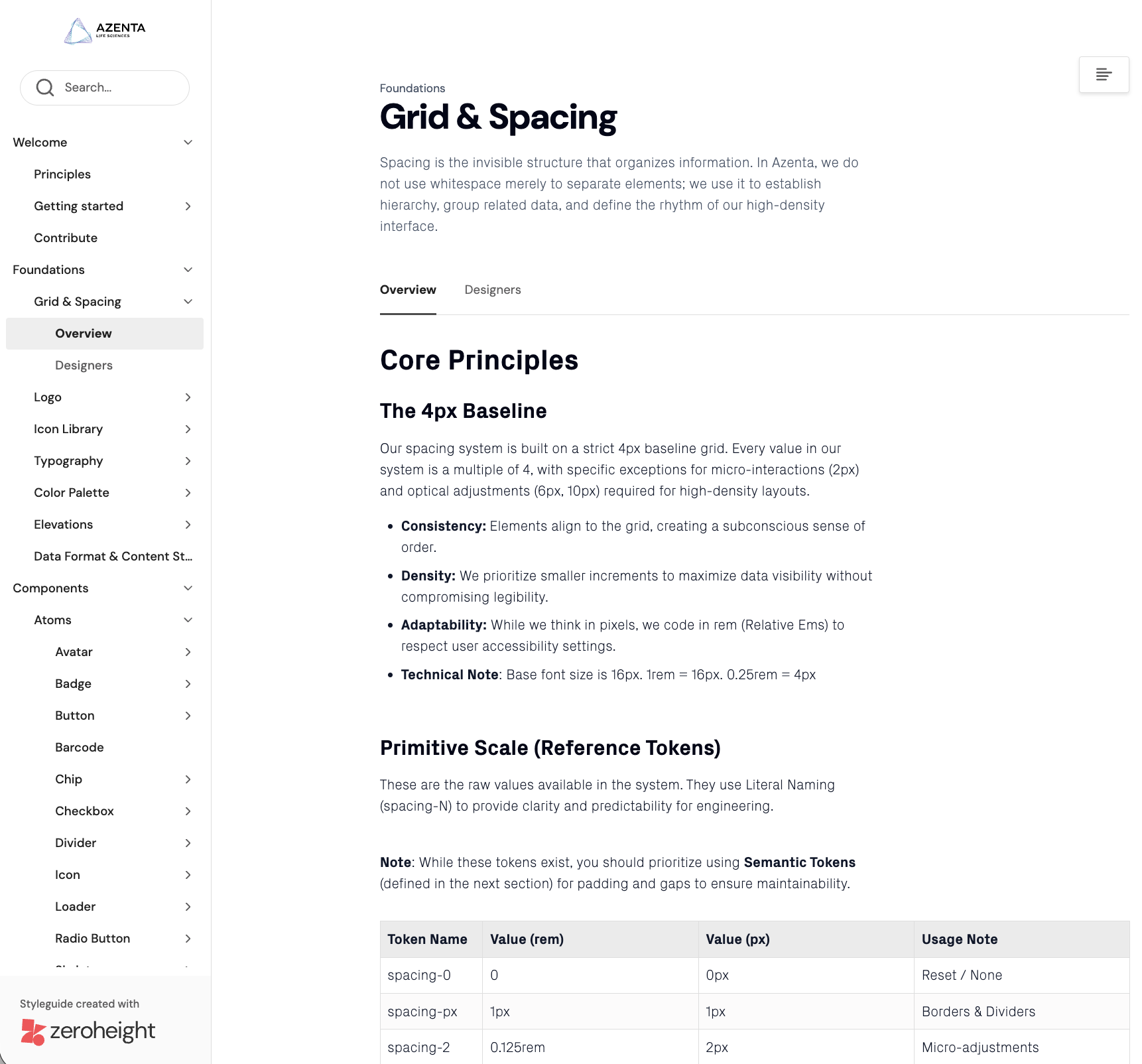
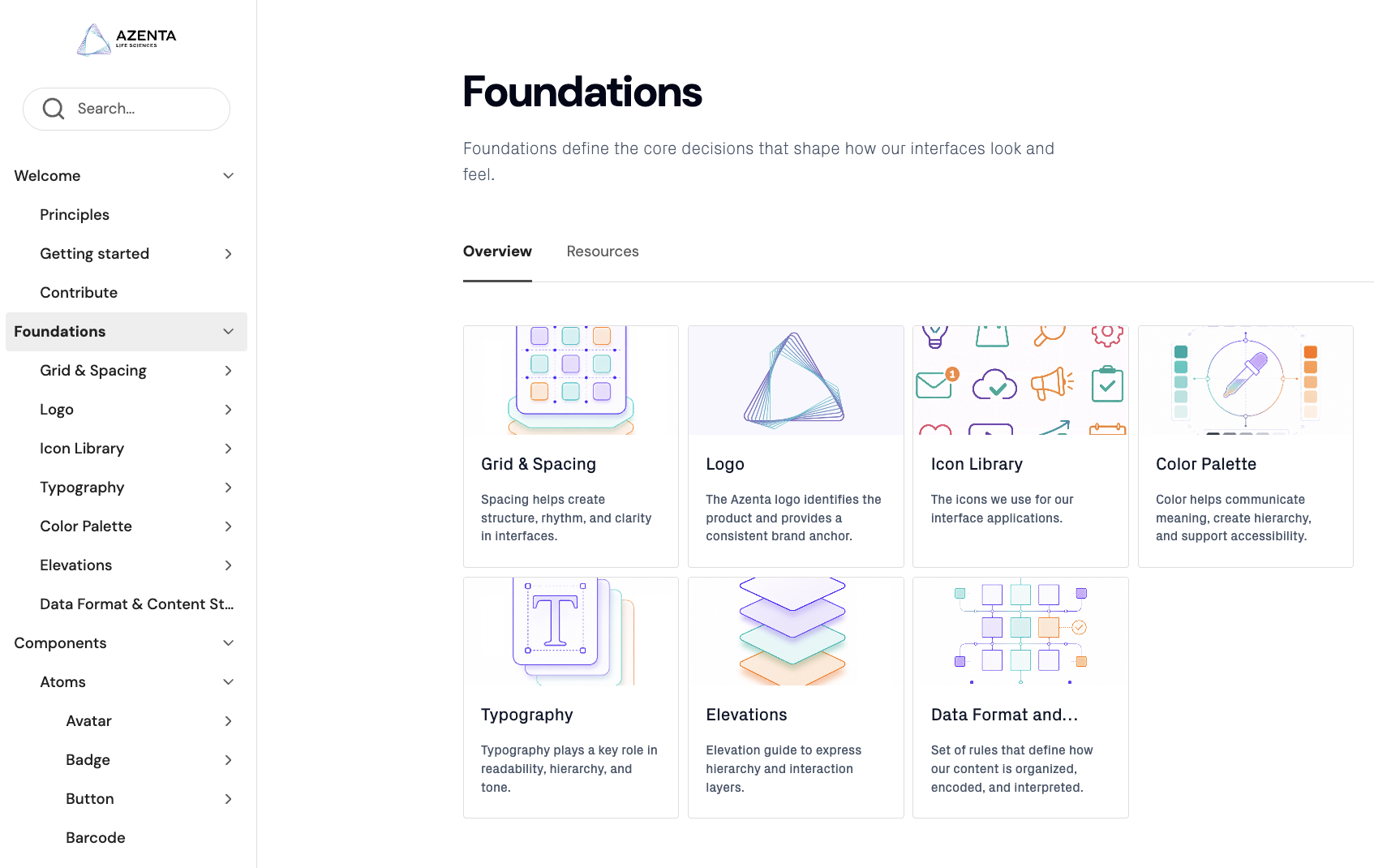
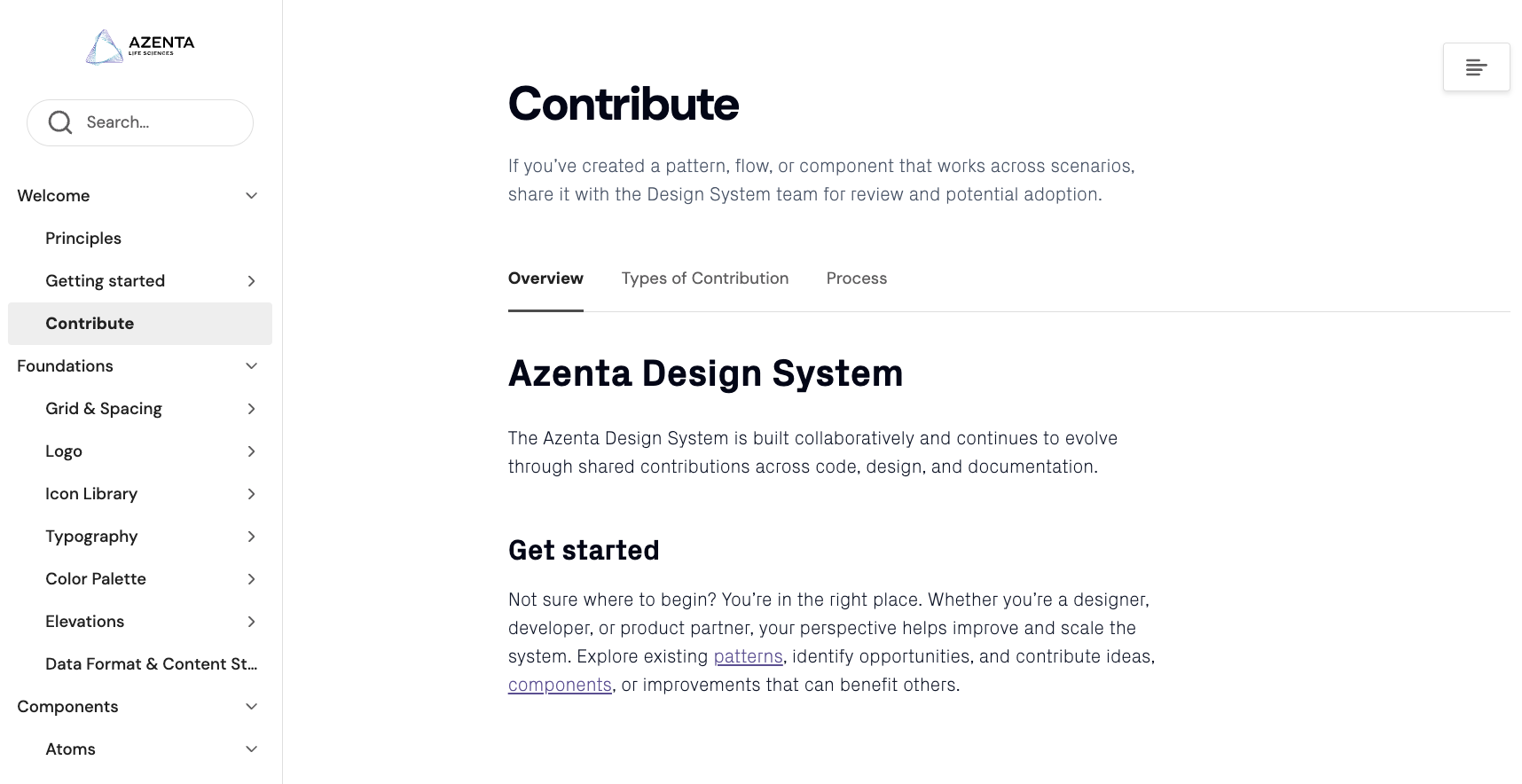
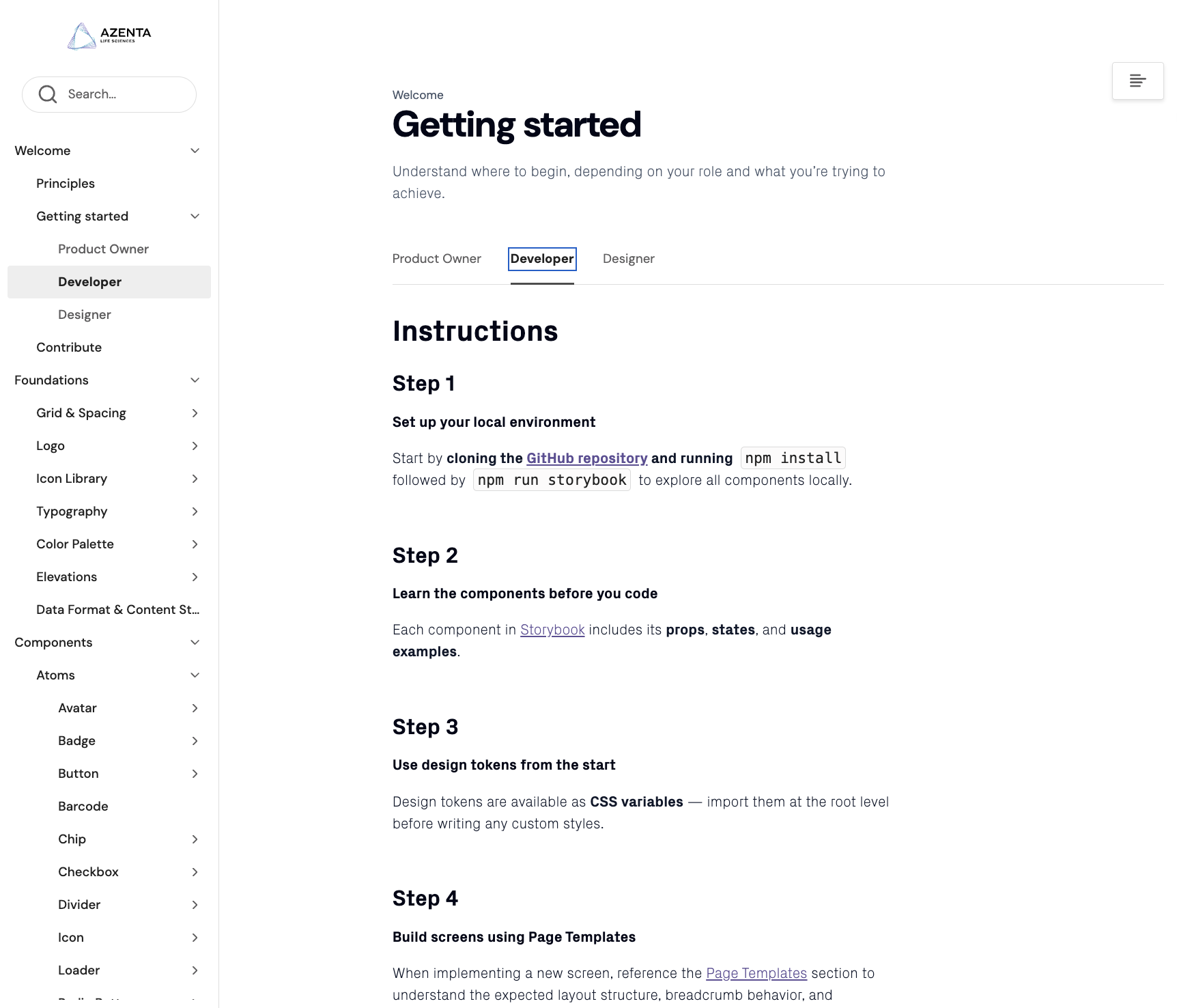
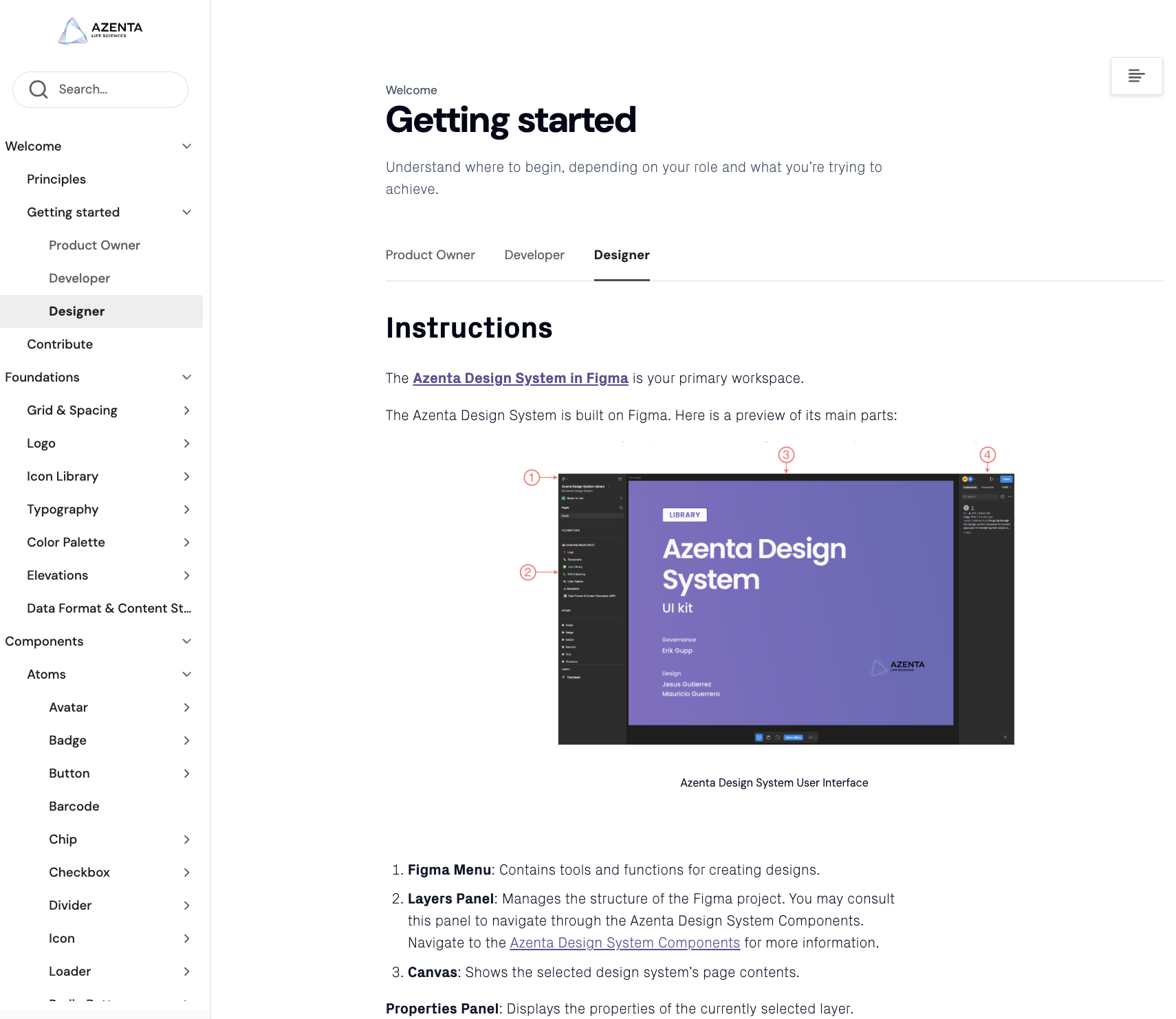
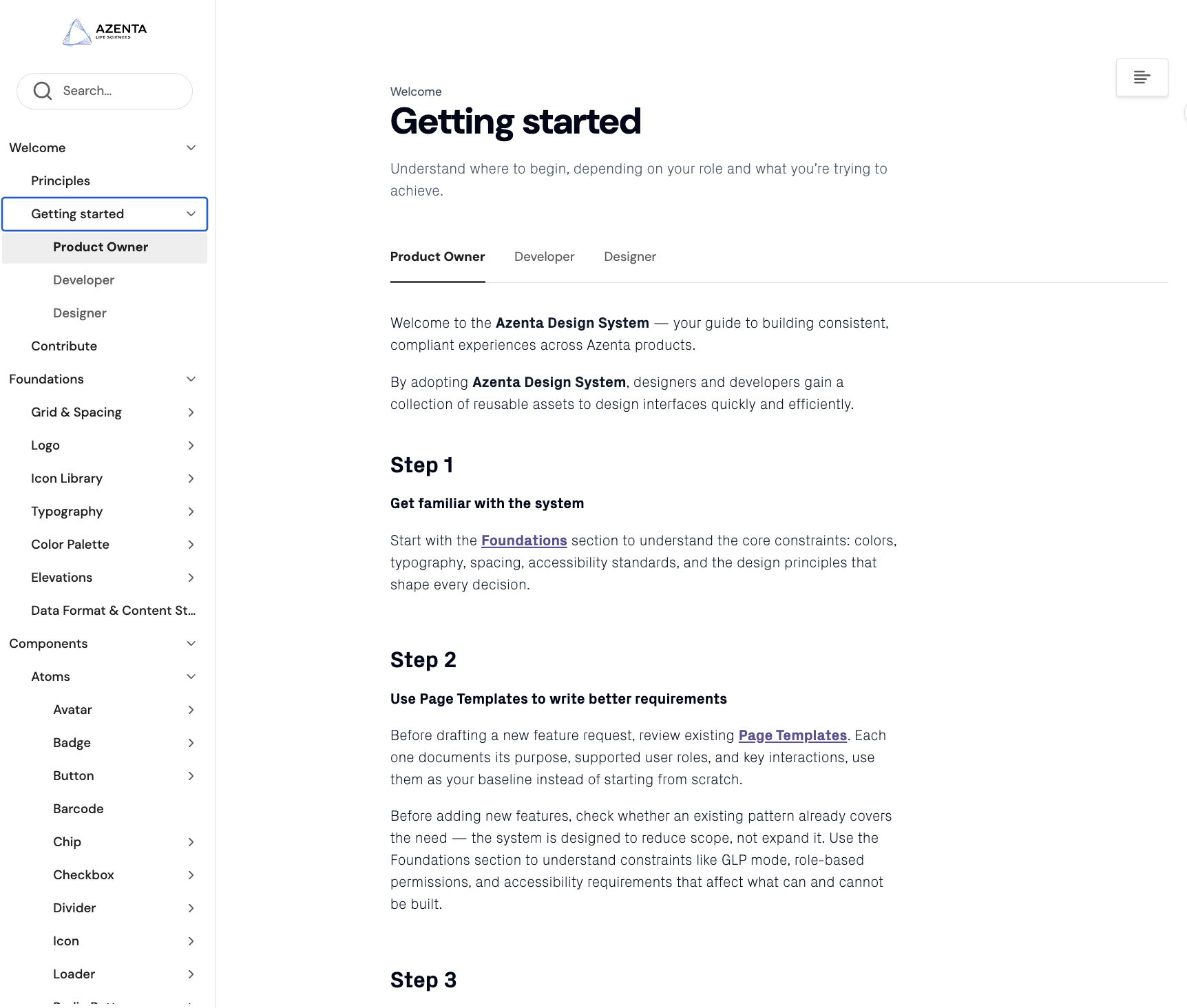
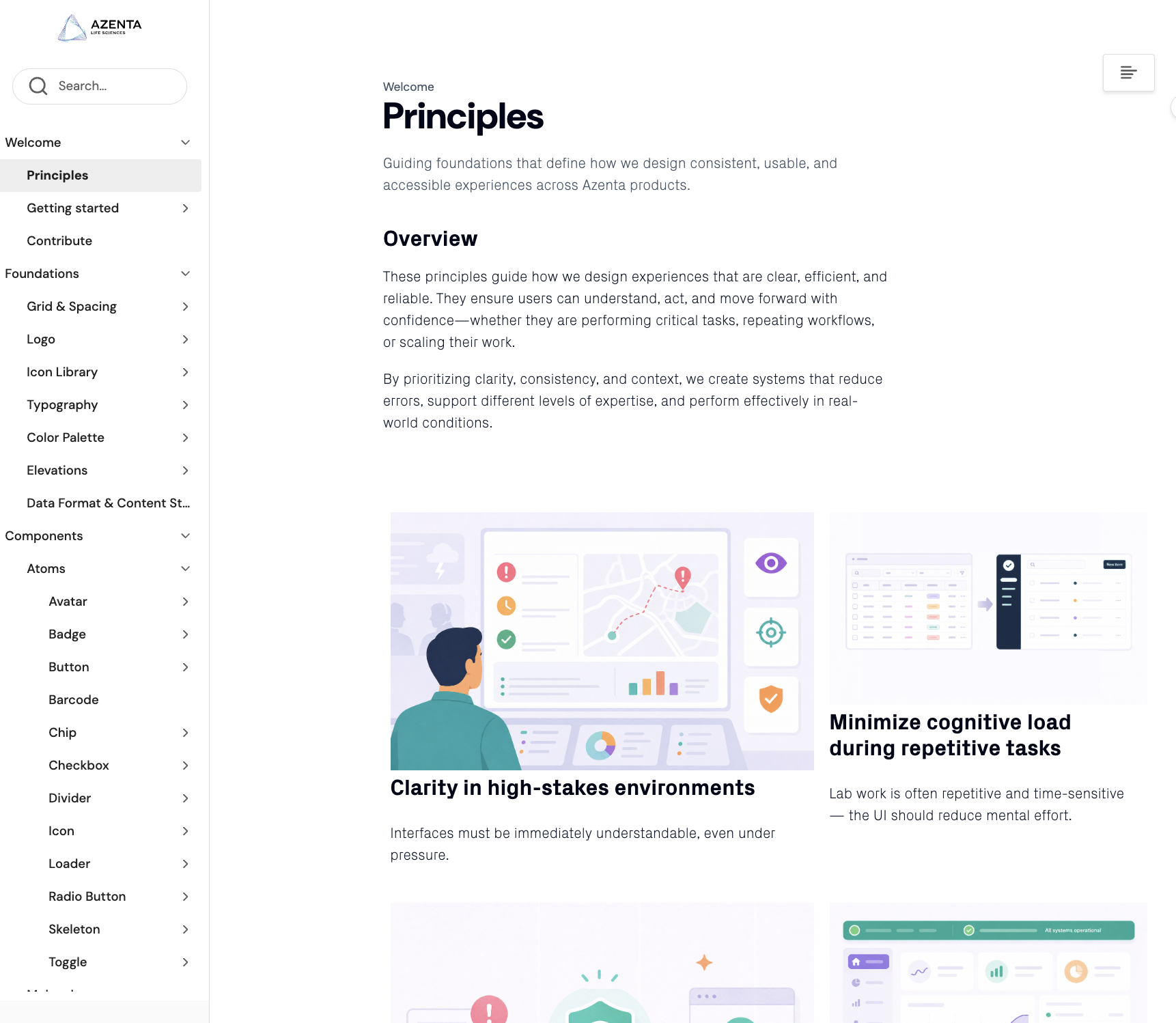
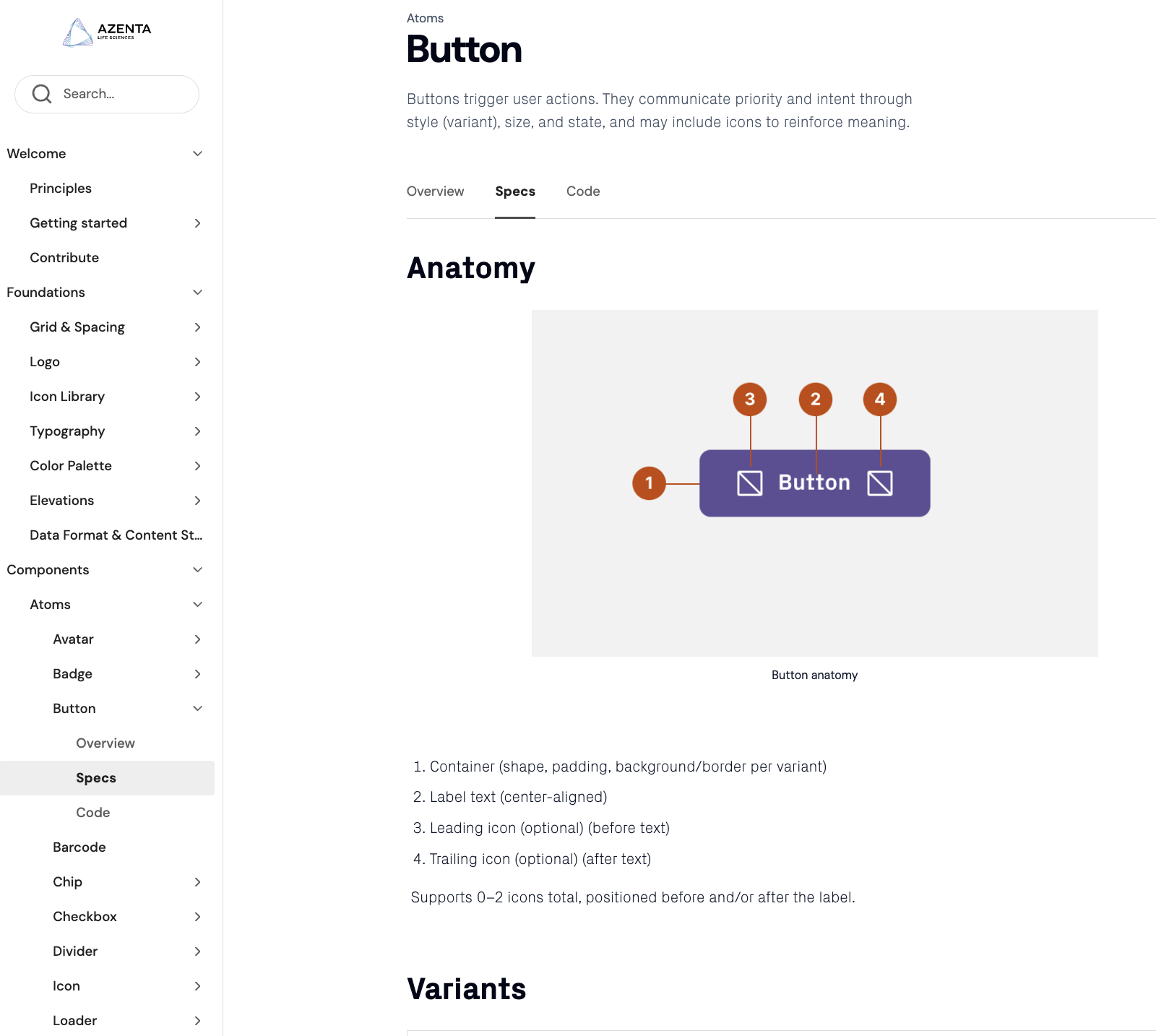
- Zeroheight documentation with component specs and accessibility requirements
- Stakeholder feedback loops and component review cadence
Collaboration & Prototyping
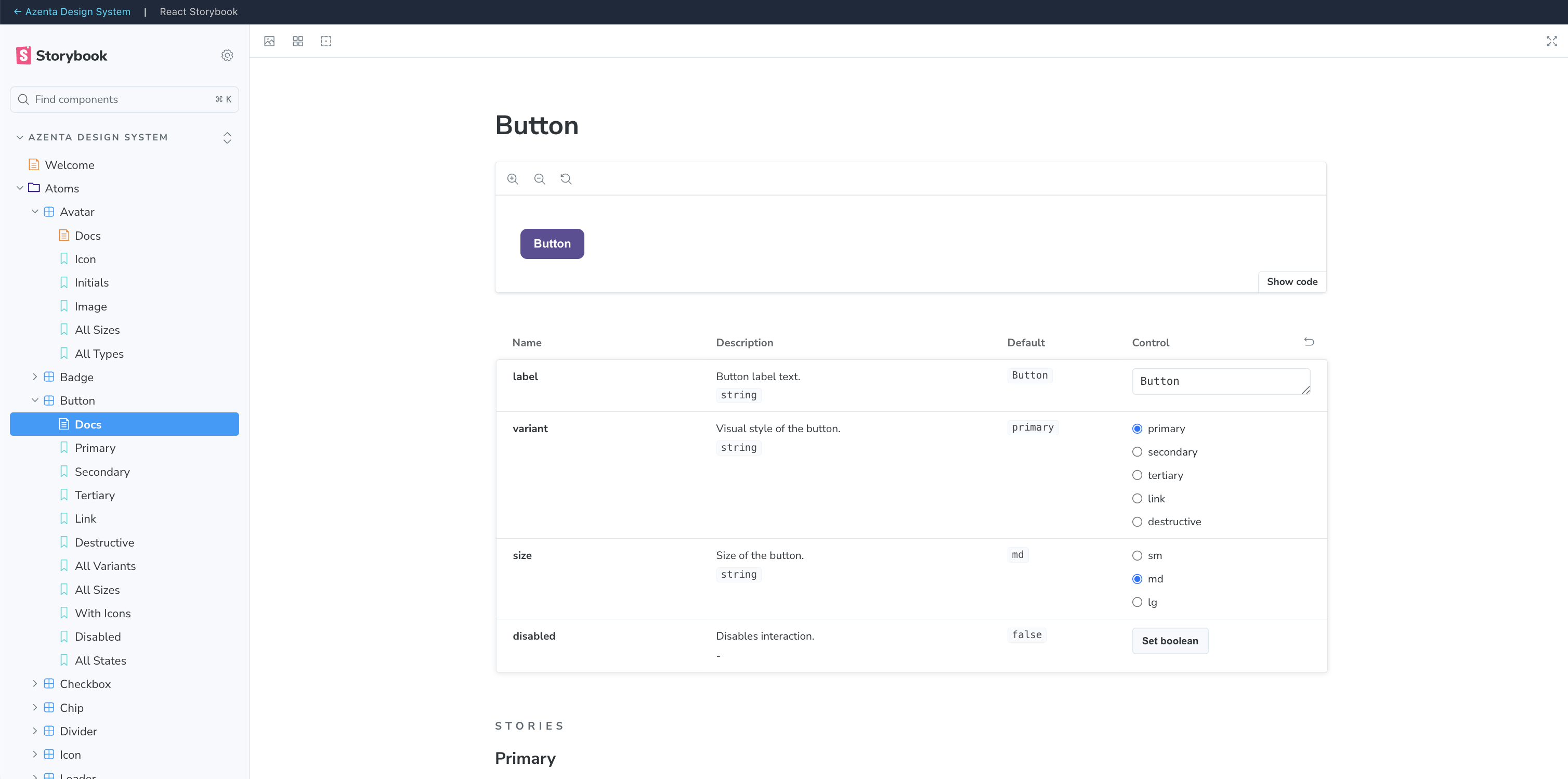
Used Claude AI to prototype components while developer was onboarding. Created functional examples for testing and validation. Also refined component patterns, adjusted accessibility specs, and built page templates to test the system in context.
Deliverables
Documentation Examples
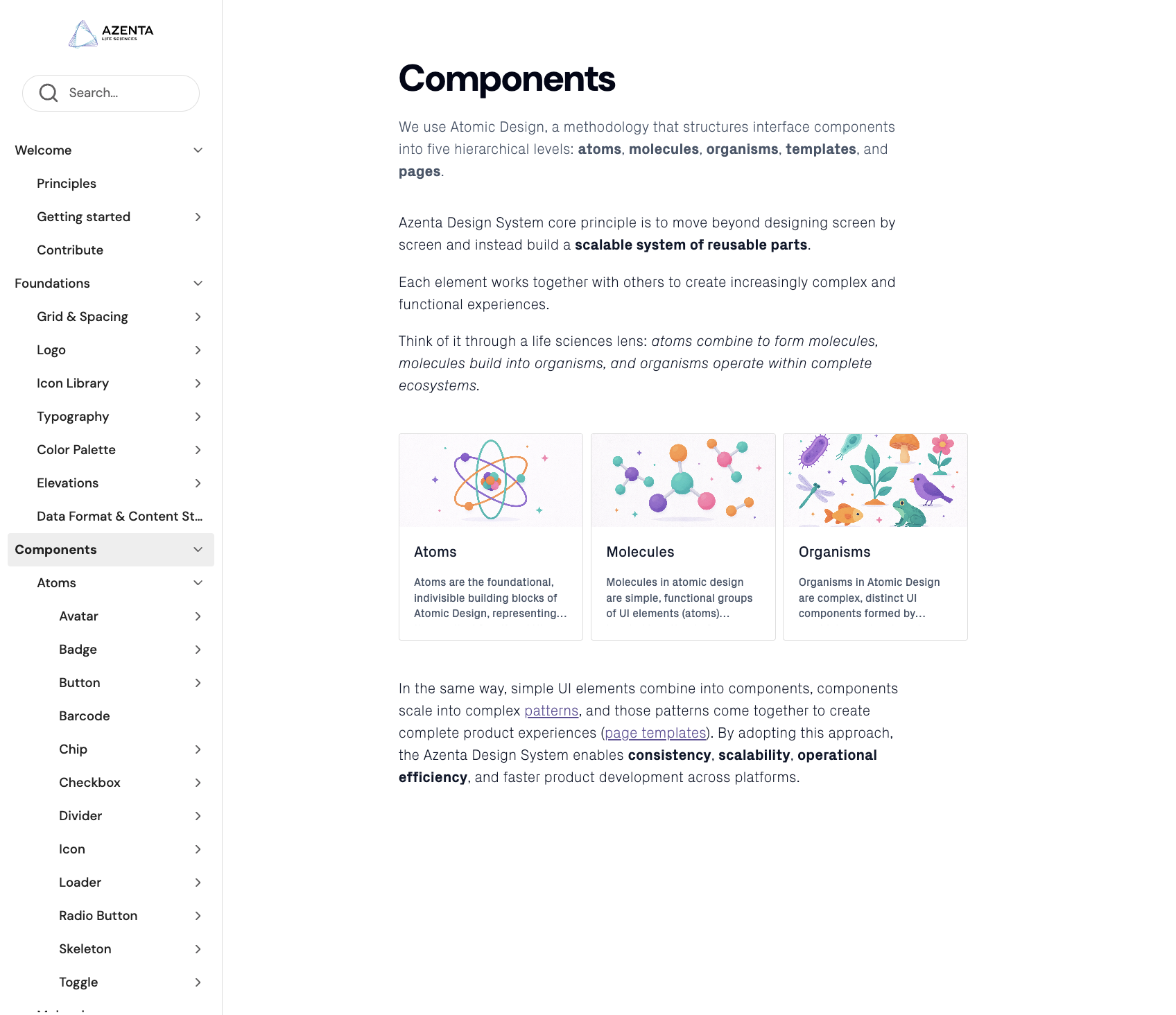
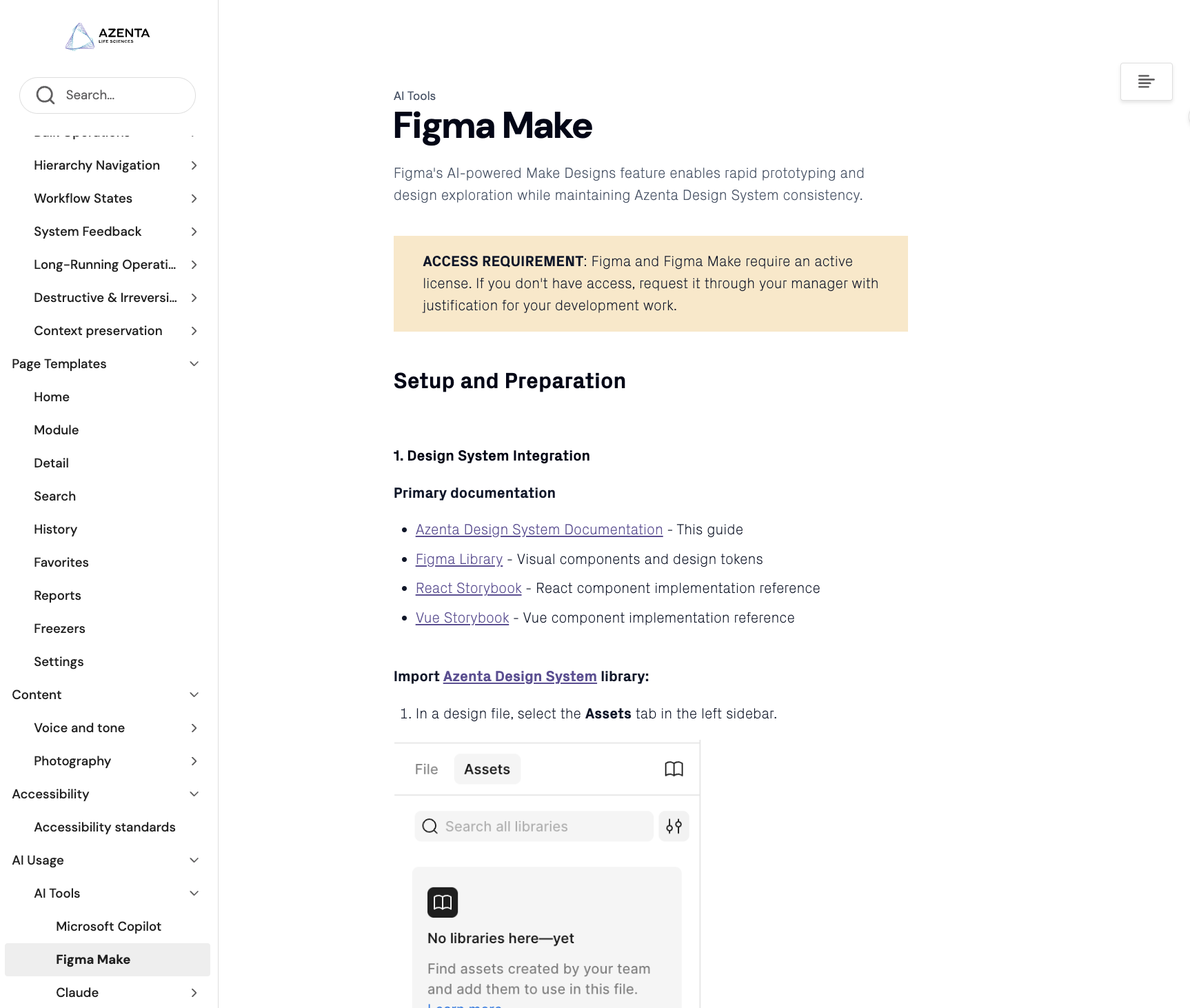
Developer Collaboration
Partnered with a contract developer to accelerate component implementation. Used Claude AI to rapidly prototype complex components, translating design specs into production-ready code for Storybook integration.
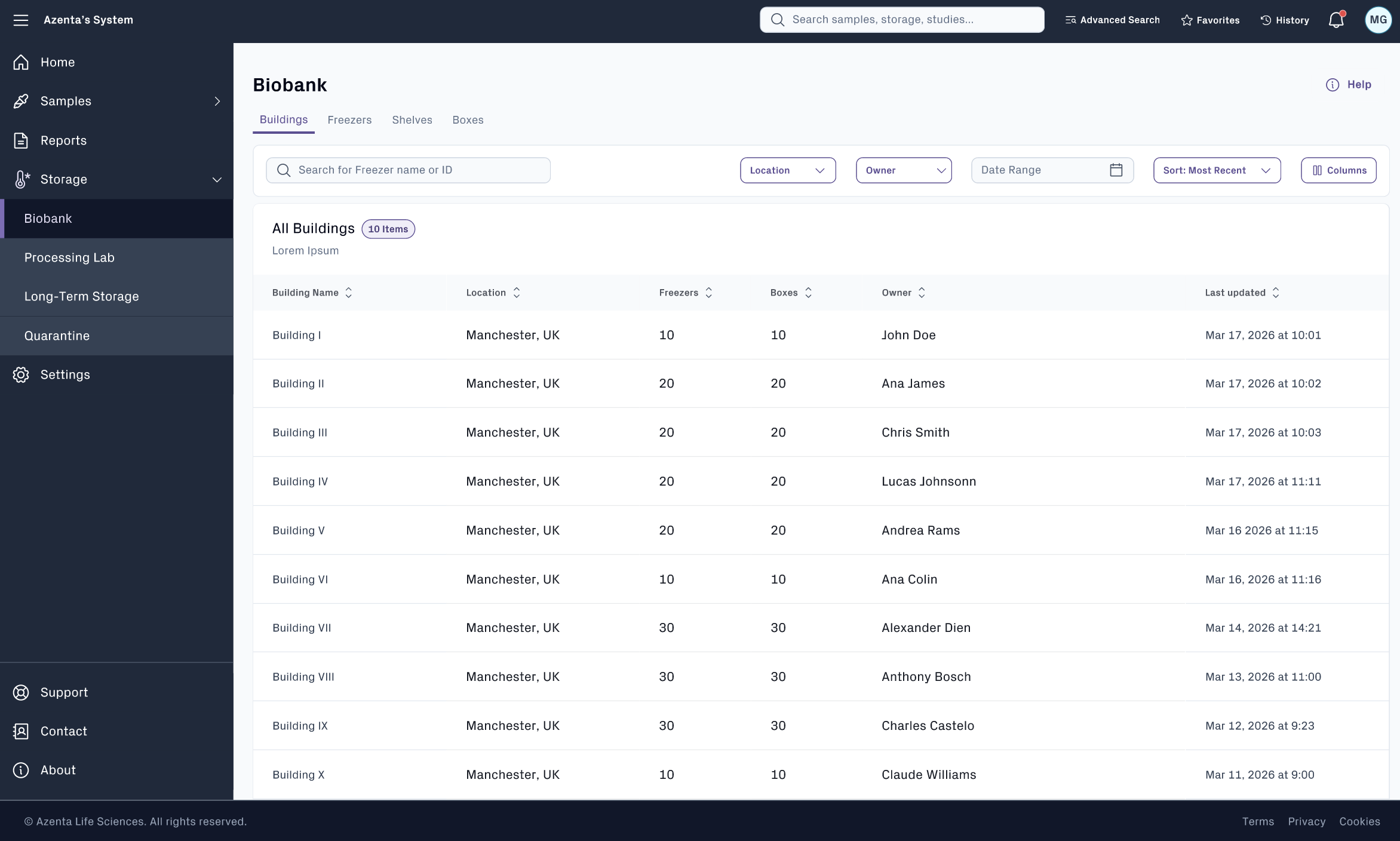
Page Templates
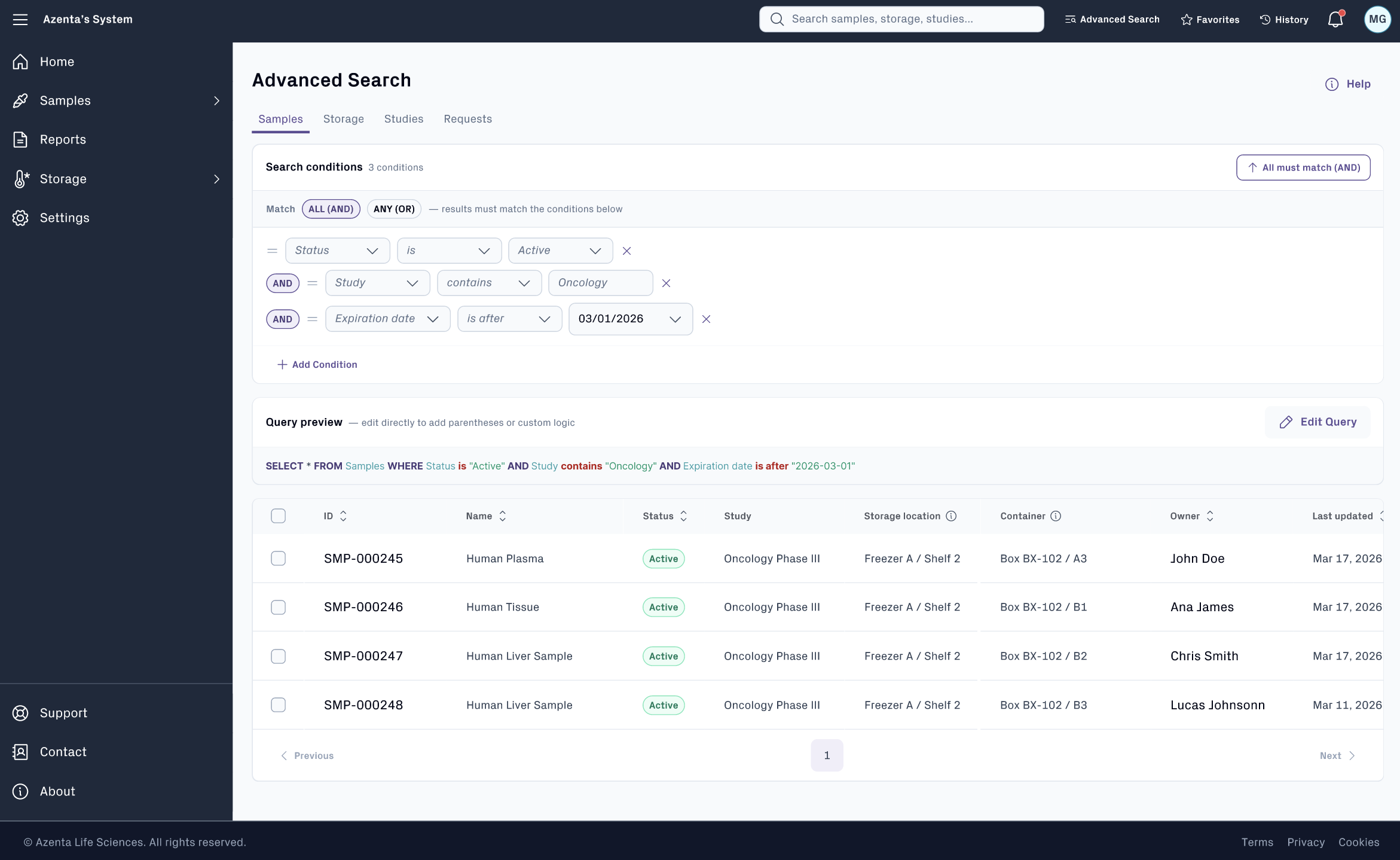
Created reusable page templates in Figma using the design system foundation. Templates demonstrate how components combine to solve common interface patterns across both platforms.
Impact
Research-driven priorities: Component decisions based on documented user needs from audits and testing.
WCAG compliance: Accessibility requirements defined early and built into component foundation.
Sustainable workflows: Established processes remained in use after project completion.
Key Takeaway
Research findings need clear pathways to implementation. Establishing workflows that connected research → design requirements → built components was as critical as conducting the research itself. Process design enabled research insights to translate into the final product.
Impact
Research-driven priorities: Component decisions based on documented user needs from audits and testing.
WCAG compliance: Accessibility requirements defined early and built into component foundation.
Sustainable workflows: Established processes remained in use after project completion.
Key Takeaway
Research findings need clear pathways to implementation. Establishing workflows that connected research → design requirements → built components was as critical as conducting the research itself. Process design enabled research insights to translate into the final product.